shell recycling
a local solution to a local program
Did you know that one oyster can filter up to 50 gallons of water per day?
We are thrilled that the Wellfleet Oyster Alliance (WOA) has assumed the operation of the Wellfleet Shell Recycling Program! This program was founded and is partially funded by the Massachusetts Oyster Project (MOP), and we are excited to centralize operations, gain efficiencies, and continue to enhance the environmental benefits of shell recycling.
These diverted shells will be utilized right here in Wellfleet! The program will significantly strengthen our conservation and sustainability efforts, with the ambitious goal of recapturing 100% of the oyster shells consumed in our local restaurants.
Thanks to continued financial funding from the Massachusetts Oyster Project, the Wellfleet Shell Recycling Program will extend its current season and continue to offer free collection services to all local restaurants. Both WOA and MOP are incredibly proud of this collaborative endeavor, which is essential for sustaining the success of aquaculture in our harbors, increasing the diversity of marine life, and ensuring the future health of our waters, coastal community, and commercial and recreational industries.
Why Recycle Oyster Shell?
Did you know that oyster reef habitat is one of the most endangered in the world? An oyster bed is a natural water treatment system that can provide the structure for an entire ecosystem of over 200 other species of animals and vegetation. By restoring shells to the wild, we are working to make our oceans healthier for marine life and humans.
How Does it Work?
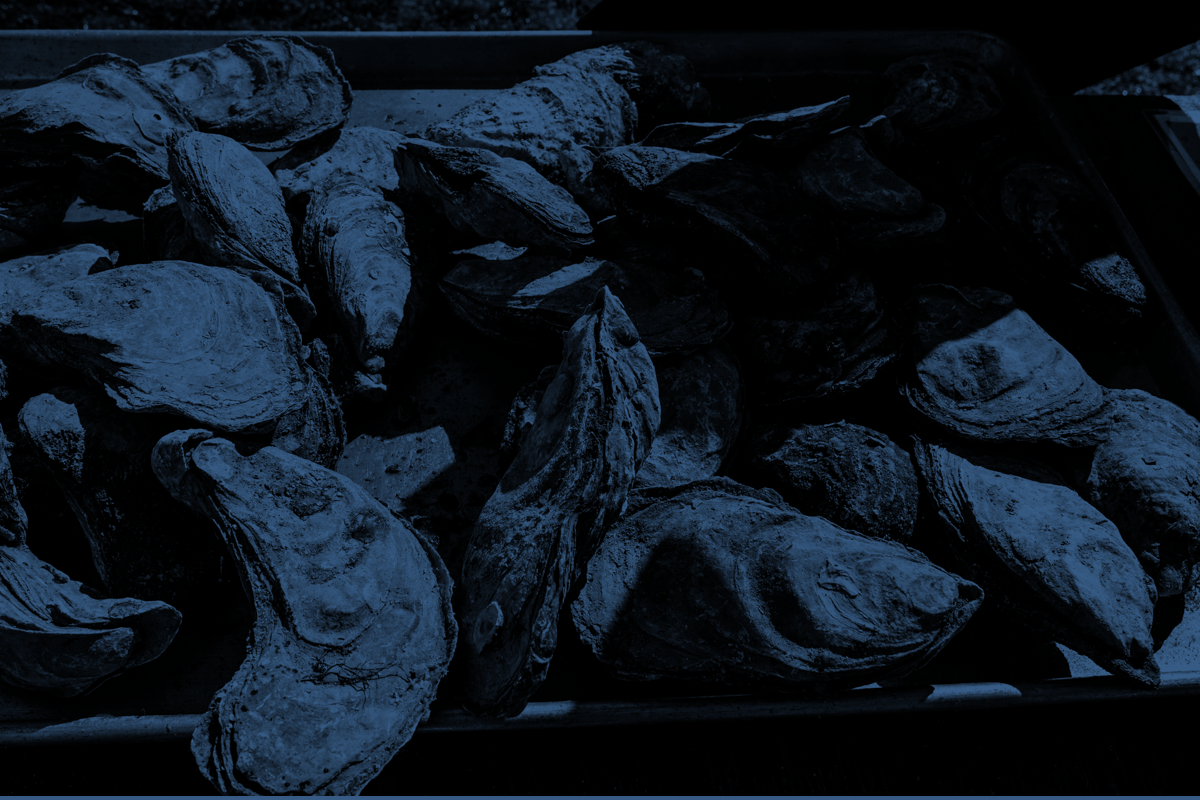
We provide recycling containers to local restaurants and community sites, and participants fill the containers with shell. We then arrange for them to be picked up. The shell is stored and aged at the transfer station in Wellfleet for one year to eliminate pathogens. The shell is then utilized by the Wellfleet Shellfish Department in accordance with their annual cultching program. The cultch is spread on the ocean floor providing a hard substrate for oysters to attach and grow.
Why Now?
Waste continues to enter coastal waters through street runoff and Combined Sewer Outflows (CSOs), which can lead to lower water quality. However, oyster can mitigate the nitrogen in wastewater and help offset ocean acidification. The better the habitat for oysters, the bigger of impact they can have.
Who is Participating?
Our restaurant partners include Pearl, Mac's Shack, Winslow's Tavern, Moby Dick's, Wicked Oyster, Beachcomber, C-Shore, Bookstore, Van Rensselaer's, Casa Del Cabo, Barley Neck, Block & Tackle, Mac’s on the Pier, Lobster Pot, B and Mac's Fish House.
This program is also supported by the Wellfleet Shellfish Department, the Department of Public Works, our volunteers, and sponsors of the Wellfleet Oyster Alliance.